EYOS · Prepared for Feadship

The Explorer Yacht
Inputs for a Newbuild

Example expeditions, design observations on the general arrangement, and the polar regulations that govern access. One document, one purpose: a yacht built to operate where the ice begins.

3
Example expeditions
6,065 NM
Longest voyage
40–60
Days endurance
1C min
Ice class
2
Helicopters
Scroll
The Brief

Built for ice,
endurance, and two helicopters

This document brings together three things in one place: example expeditions that show where the yacht would operate and how far it would travel, EYOS design observations on the current general arrangement, and the polar regulations that decide where a vessel is allowed to go.

One requirement runs through all three. The example voyages reach the Weddell Sea, the Ross Sea, Greenland, and the Northwest Passage. Those waters call for endurance of 40 to 60 days without shore support, a minimum ice class of 1C with retractable stabilizers, and, for the heli-skiing and remote operations these expeditions are built around, two-helicopter capability.

In Arctic Canada this is not a matter of preference. As Section 03 shows, ice class determines by regulation which shipping zones a vessel may enter, and during which weeks of the year.

Section 01

Itinerary Examples

Three representative EYOS expeditions, with distances, ice conditions, and the activities each is built around. The remarks in italics are operational notes from EYOS planning.

01
The Antarctic Peninsula
11 Dec – 16 Jan (mid-summer) / 1,931 NM / Two back-to-back charters / Fly in & out via Antarctica
Two explorer yachts at the fast-ice edge, Antarctic Peninsula
Two explorer vessels working the fast-ice edge. Antarctic Peninsula.

The Antarctic Peninsula begins 520nm south of South America and spans 500nm south to the main body of the continent. The Peninsula offers spectacular scenery ("…like Switzerland emerging from the sea"), incredible wildlife and sheltered coastal cruising conditions. 98% of EYOS clients elect to 'skip the Drake' and fly across from Punta Arenas, Chile, direct to King George Island in Antarctica. This allows the yacht to cross the Drake ahead of the guests and within a weather window that is optimal. By utilising this intercontinental air link, EYOS is able to fly guests in and out on multiple expeditions before the yacht needs to return to South America to refuel.

Peak summer months are December to March, with ice gradually disappearing during this period. Vessels with light or zero ice capability are limited to the more northern latitudes and a shorter season (Jan/Feb), while those with ice capability are able to explore the Peninsula in its entirety, and extend their cruising to encompass the entire summer.

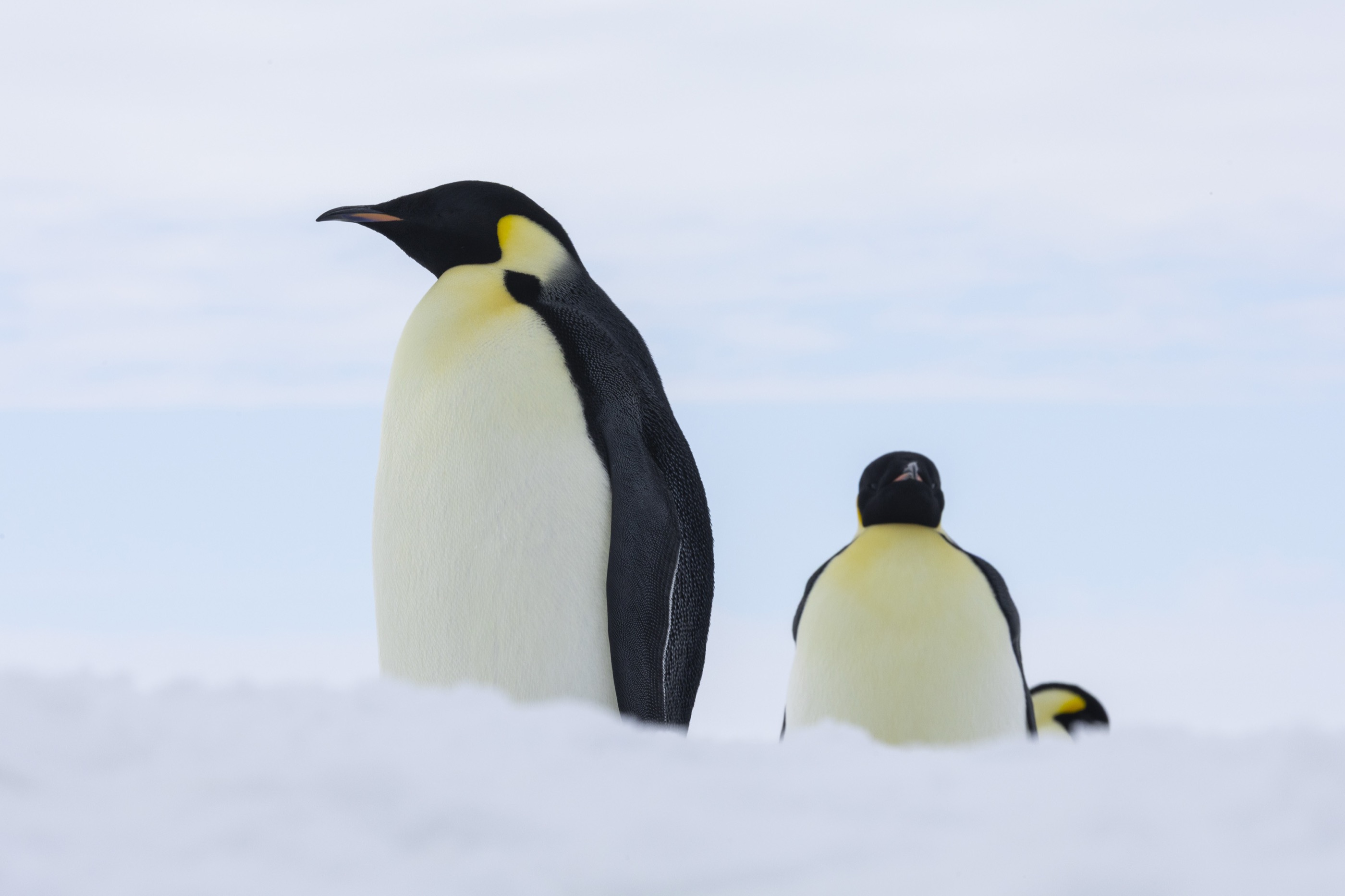
To the East of the Peninsula is the fabled Weddell Sea, made famous by the exploits of Shackleton. The Weddell Sea typically retains significant ice all through the summer and is better suited to vessels with ice capability. It is the only destination on this side of Antarctica where an Emperor penguin may be sighted.

DayDestinationNM
1Ushuaia, Argentina
Logistics for the vessel; bunker, food provision, crew change. Ice Pilot embarkation.
2–3At Sea
4–5King George Island (KGI)615
Early arrival to stand by for guest flight. Guest embarkation the following day, departure KGI.
6AMGourdin Island   PMBrown Bluff75 / 30
7AMPaulet Island   PMWeddell Sea30 / 15
8AMDuse Bay   PMDevil Island40 / 15
9AMAntarctic Sound   PMAstrolabe Island30 / 50
The Weddell SeaThis area offers a wide range of ice conditions, including multi-year sea ice, first-year sea ice, and glacial ice. One of the defining features of the Weddell Sea is its large tabular icebergs. Ice conditions can be challenging, and any vessel entering the Weddell Sea will carefully assess weather forecasts and ice charts before committing. As a result, vessels operating deeper into the Weddell Sea are typically ice-classed.
10AMWhaler's Bay   PMSpert Island8 / 50
11AMCierva Cove   PMWilhemina Bay15 / 50
12AMNeko Harbor   PMDanco Island35 / 10
13AMDamoy Point   PMPort Lockroy30 / 10
14AMOrne Harbor   PMFoyn Harbor35 / 20
15AMEnterprise Harbor   PMWilhemina Bay5 / 15
The Antarctic PeninsulaAt this time of the year, it might still be possible to find fast ice to park the vessel in. EYOS has celebrated both Christmas Eves and New Years Eves on solid ice, having service directly from the vessel's gangway onto the ice. Aside from fast ice to park in and step on, ice navigation is a feature all along the coast. And if the vessel would like to transit South through the Lemaire Channel, famous for its high peaks and narrow channel (which is often blocked by ice), an ice-classed vessel is a significant advantage. South of Lemaire awaits fantastic skiing opportunities, ice navigation, wildlife sightings and landings.
16–20KGI — Turnaround / Weather delay150
Guests fly out, new guests fly in.
21AMHalf Moon Island   PMTelefon Bay50 / 50
22AMWhaler's Bay   PMSpert Island8 / 50
23AMCierva Cove   PMCuverville Island15 / 35
24AMPortal Point   PMEnterprise Island45 / 15
25AMFoyn Harbor   PMWilhemina Bay10 / 15
26AMDanco Island   PMCuverville Island15 / 5
27AMOrne Harbor   PMUseful Island15 / 15
28AMNeko Harbor   PMLeith Cove15 / 20
29AMSkontorp Cove   PMLemaire Channel10 / 30
30AMPetermann Island   PMPlenau Island15 / 10
31AMPort Lockroy   PMNeumayer Channel30 / 10
32AMGerlache Strait   PMHydrurga Rocks50 / 30
33AMSpert Island   PMTrinity Island55 / 10
34King George Island (KGI)120
Guests fly out. Yacht departs Antarctica.
35–36At Sea
37Ushuaia, Argentina600
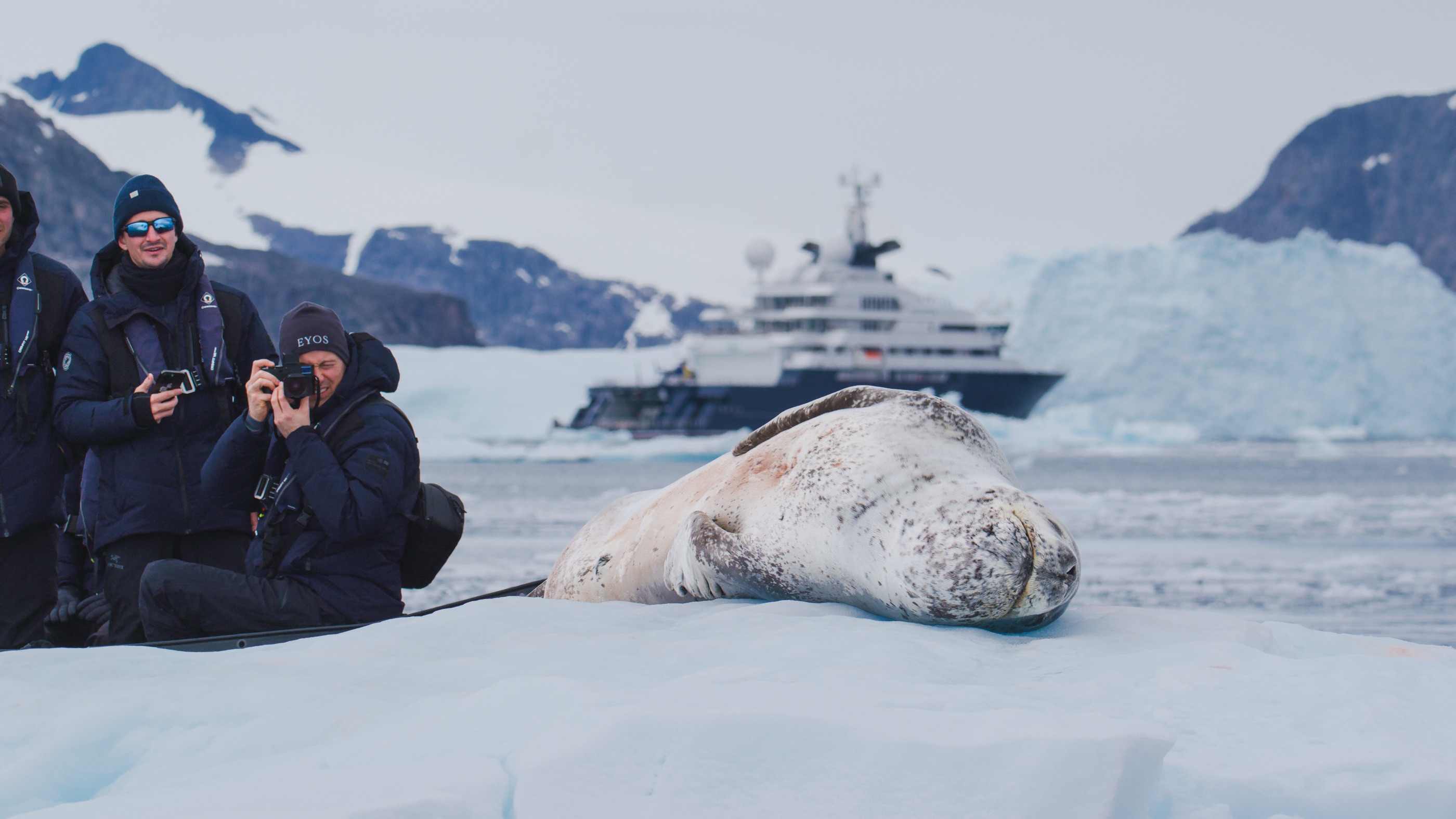
Guests photographing a leopard seal from a Zodiac, vessel behind
Tender cruising among wildlife and ice. Leopard seal, Antarctic Peninsula.

Activities

  • Landings; hiking, wildlife spotting
  • Ski touring
  • Tender cruising among wildlife and ice
  • Diving
  • Water sports such as kayaking, SUP
  • Helicopter sightseeing
  • Heli skiing (two helis, alternatively two vessels with heli)
  • Submarine exploration
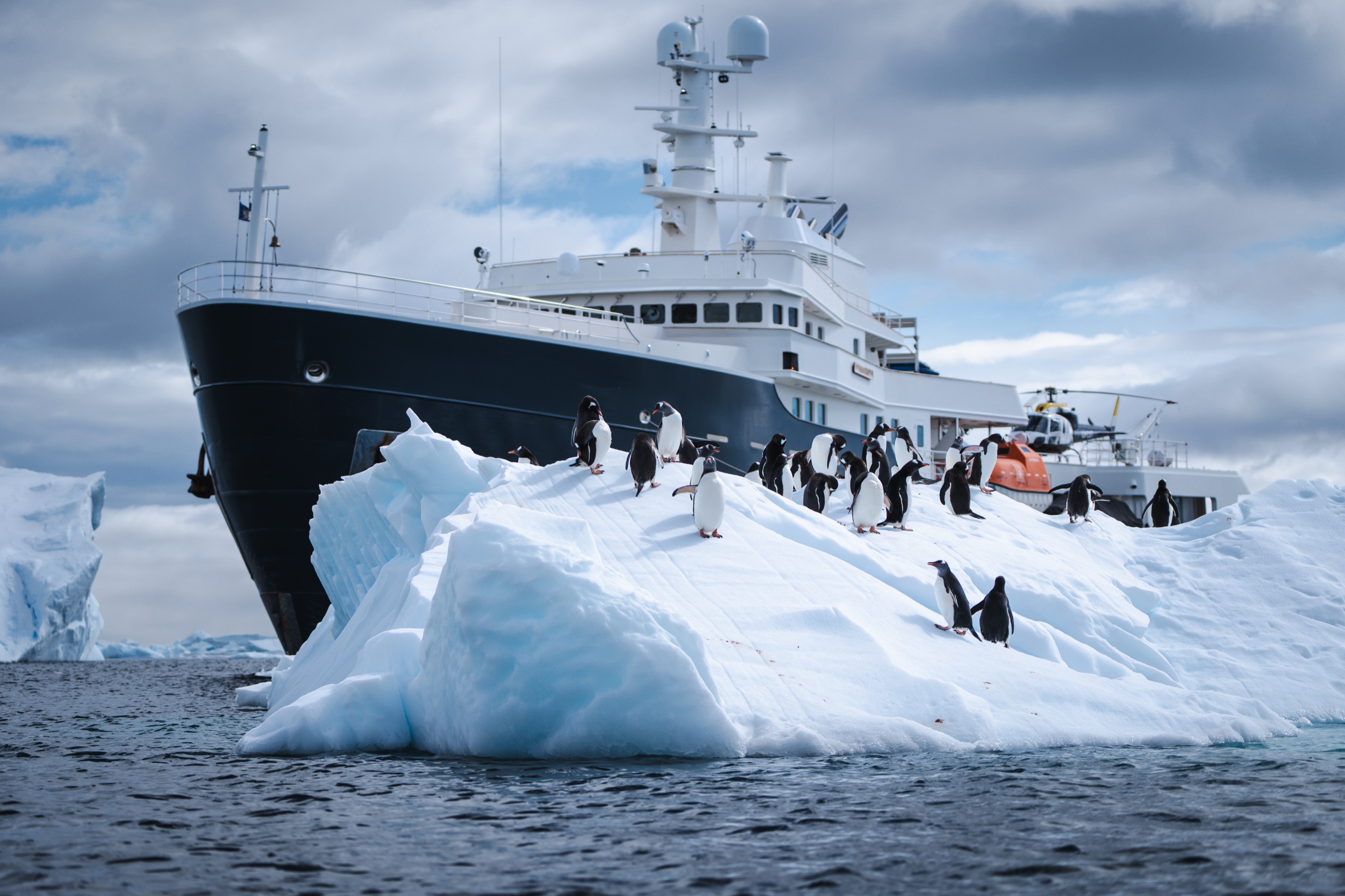
Explorer yacht resting against an ice floe, Antarctic Peninsula
Resting against the fast ice. Antarctic Peninsula.
Explorer yacht parked at the fast-ice edge in low sun
Parked at the fast-ice edge, low sun. Antarctic Peninsula.
Fast ice as a platform

Service direct from the gangway onto the ice

02
The Ross Sea, Antarctica
13 Jan – 2 Feb / 6,065 NM / One charter / Fly in & out via Antarctica
Explorer yacht framed between blue icebergs
Ice navigation among grounded bergs, Ross Sea region.

The Ross Sea is located 1,500nm south of New Zealand and Australia and requires a yacht to traverse the entire Southern Ocean. This is the most exclusive Antarctic cruising destination and offers dramatic scenery, excellent wildlife and one of the most pristine places on Earth. Home to the original huts built by explorers Captain Robert Scott and Sir Ernest Shackleton, it is possible for guests to visit buildings that have remained in their original condition since the Heroic Era (1898–1920).

The Ross Sea is shielded by a vast band of pack ice that generally dissipates in mid January, offering vessels a few weeks of polar cruising before the first autumn storm arrives in early March. Vessels can expect to traverse a 10 to 30nm band of loose pack, and then enjoy relatively ice-free waters.

DayDestinationNM
1Hobart, Australia — Departure1,550
Departure. Note that it is common to adjust timing by up to 48h to avoid weather.
2–5At Sea
6Balleny Pack550
7Balleny Pack
The Ross SeaThe Ross Sea is one of Antarctica's most remote regions, known for its extensive sea ice, vast tabular icebergs, and the Ross Ice Shelf. Depending on the season, vessels may encounter first-year and multi-year sea ice, as well as glacial ice. Ice conditions are often demanding and require careful planning using weather forecasts and satellite ice imagery. Access is generally limited to ice-strengthened or ice-classed vessels, with opportunities for wildlife encounters, historic site visits, and landings where conditions allow.
8Cape Adare70
9Cape Roget208
10Victoria Land Coast
11Terra Nova Bay126
12Coulman Island (N End)140
13Drygalski Ice Tongue145
14Cape Royds, Ross Island7
15Cape Evans, Ross Island14
16McMurdo500
17McMurdo
McMurdo Sound likely blocked by ice, so station visits occur by helicopter.
18Ross Ice Shelf
19Bay of Whales555
20–26At Sea2,200
27Lyttelton, New Zealand
Disembarkation.
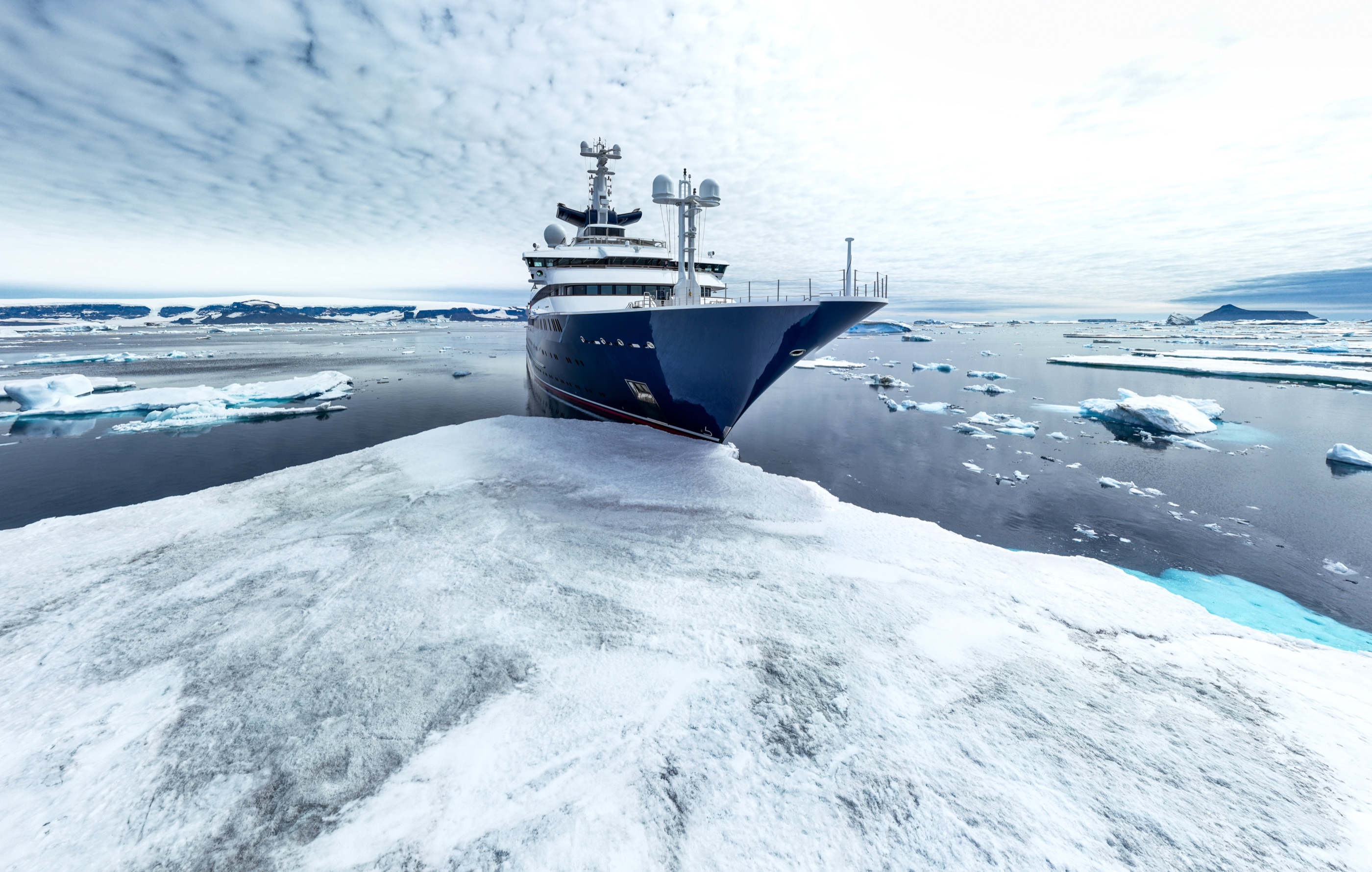
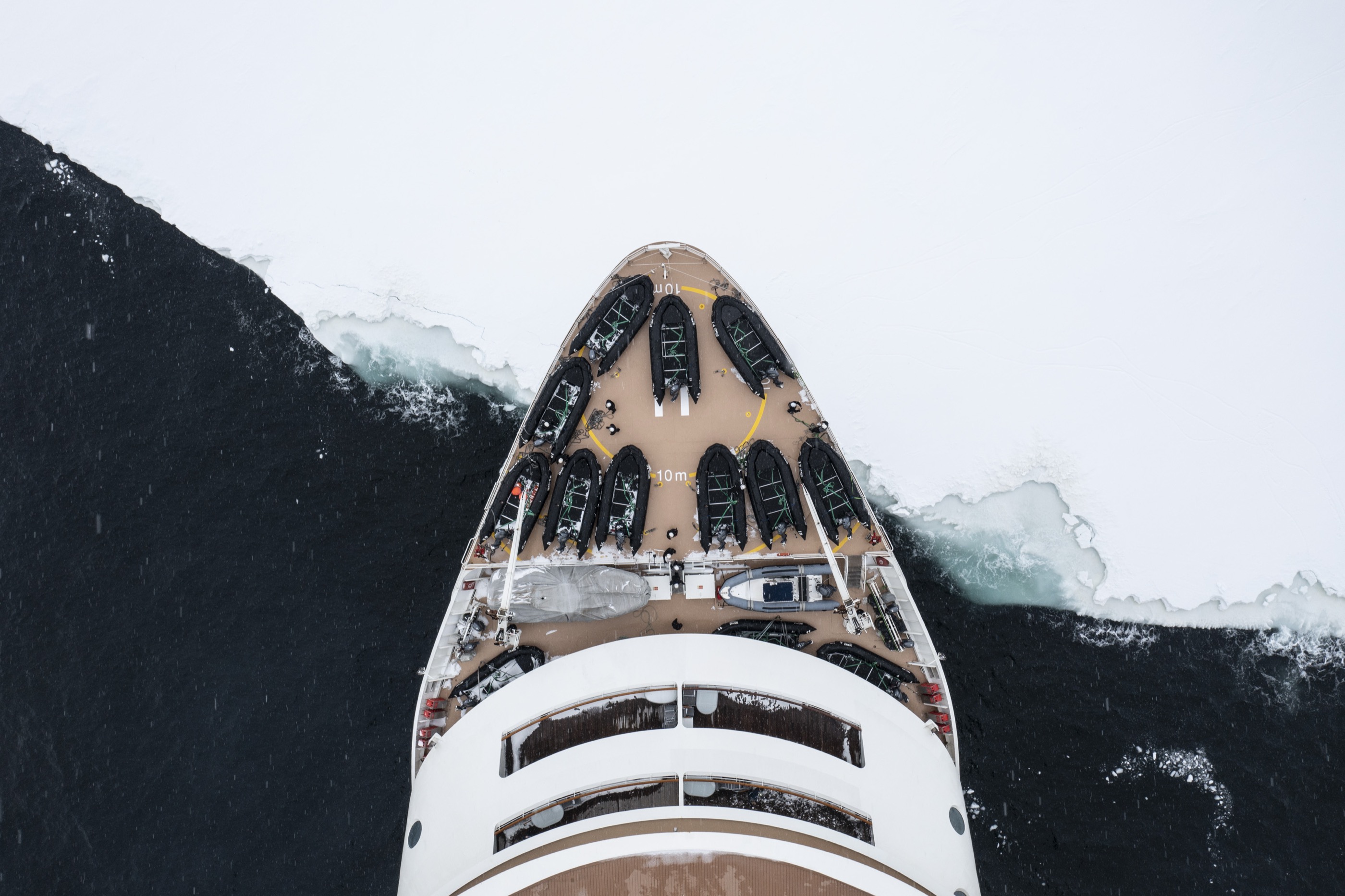
Bow view over pack ice with a Zodiac stowed forward
Bow over the pack. Forward tender stowage, Ross Sea.

Key Points

  • Heroic-era huts (Scott & Shackleton)
  • Emperor penguins
  • Ross Ice Shelf & Bay of Whales
  • Challenging ice; careful planning
  • Station visits (McMurdo)
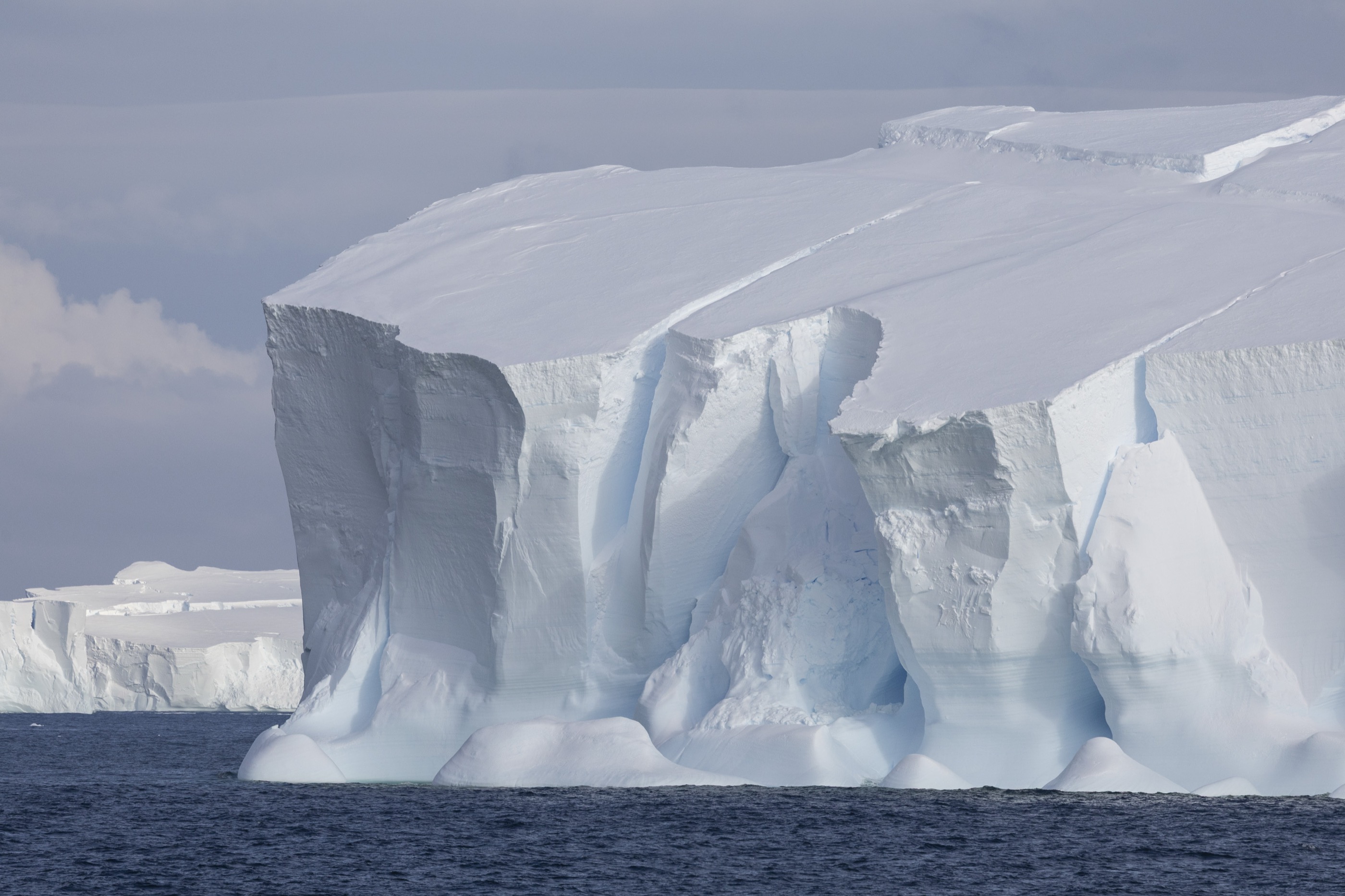
Sculpted iceberg arch in calm Antarctic water
A sculpted iceberg arch. Antarctic waters.
Two helicopters, no support vessel

Heli operations from the deck

03
Greenland + the Northwest Passage
10 Aug – 10 Sep / 5,690 NM / Reykjavik to Nome
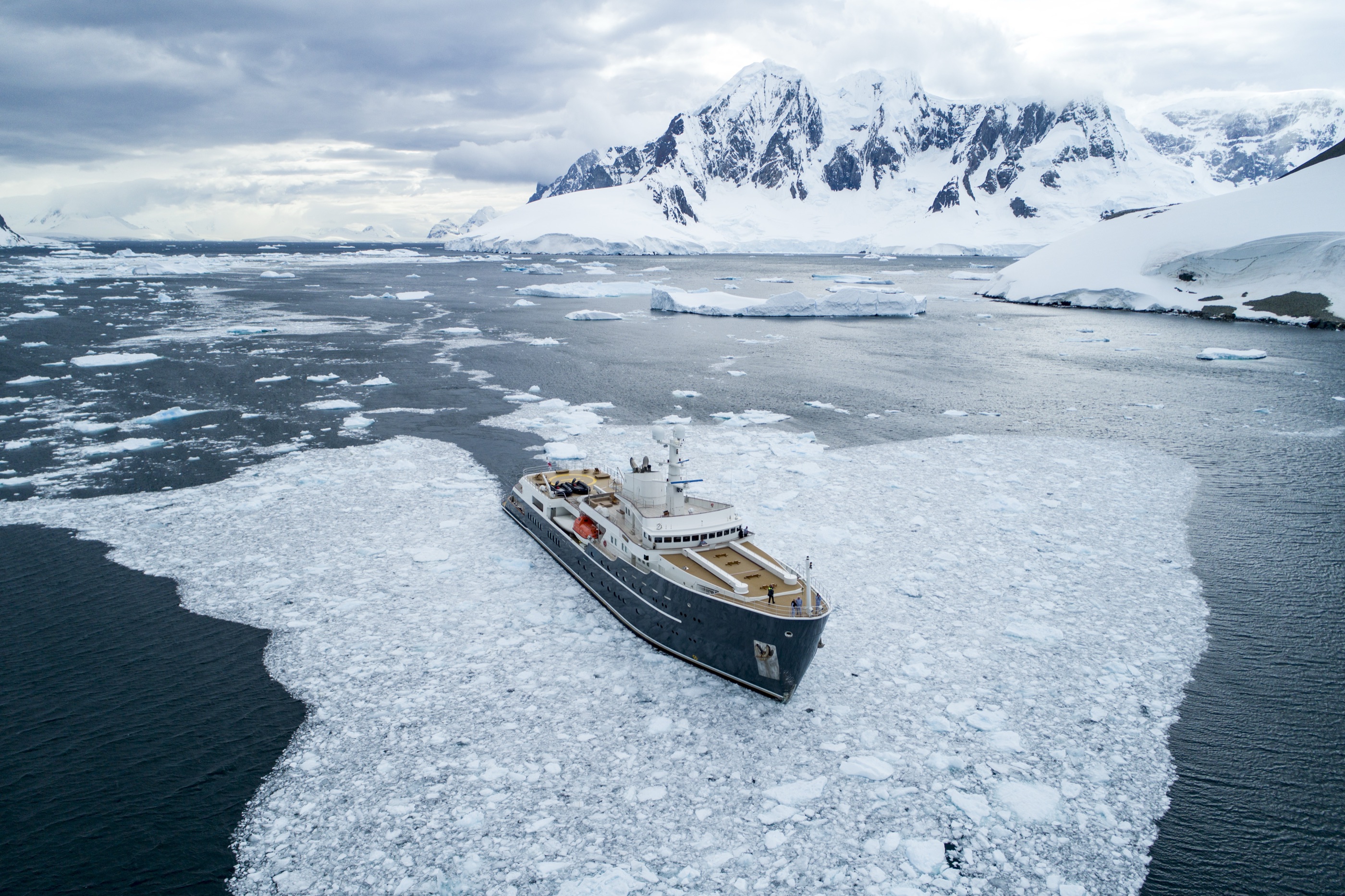
Explorer yacht navigating a lead through pack ice
A lead through the pack. M/Y Legend, photographed by Justin Hofman / EYOS.

The Northwest Passage is an iconic voyage that spans across the top of Canada and Alaska to link the Atlantic and Pacific Oceans. Spanning 3,500nm from Nuuk, Greenland to Dutch Harbor, Alaska, the 'passage' consists of several different channels that are fully iced over in winter. The ice begins to dissipate in July and by late August most vessels are able to transit through during a 3 to 4 week window. Vessels with some ice capability are able to traverse the passage 2 to 3 weeks earlier. The Northwest Passage also includes areas that can be added to the transit, or cruised as a stand-alone itinerary. These include Ellesmere Island, Baffin Island and of course the west coast of Greenland.

Greenland offers a wide range of expedition opportunities throughout the year. In spring, Disko Bay is particularly well suited to ice-classed vessels, with sea ice often persisting well into the season. This provides access to exceptional heli-skiing terrain, while also allowing guests to experience ice navigation among icebergs and sea ice.

On the east coast, East Greenland is one of the most ice-affected regions in the Arctic. Sea ice and multi-year ice drifting south from the Arctic Ocean can remain well into the summer, making an ice-strengthened hull a significant advantage. The region offers dramatic fjords, extensive glacier systems, remote communities, and excellent opportunities for wildlife viewing and exploration in an area visited by relatively few vessels.

DayDestinationNM
0Reykjavik, Iceland
Expedition team embarks, guest embarkation option. Vessel logistics; bunker, provision, crew change.
1At Sea
2Skjoldungen Fjord Region, Greenland510
Greenland · glacial iceWhen approaching the Greenlandic south coast, it is not unusual to encounter heavier sea ice from the east coast being brought south by currents. Heading in to the fjords, the predominant type of ice is glacial ice. Greenland's west coast have highly active glaciers, producing ice bergs in a rapid speed. Ice navigation among intensively blue ice bergs and bits is a highlight here. In spring and early summer we may still encounter fast ice or large ice floes in the bays. The fast ice is fantastic platform to use for ice set ups, helicopter take offs or kayaking off the ice edge.
3Prins Christian Sund200
4Hvalsey / Qaqortoq145
Guest embarkation option (Qaqortoq).
5At Sea
6Nuuk320
7Sisimiut220
Guest embarkation option 3. Vessel logistics; bunker, provision.
8Ilulissat195
9At Sea
10Clyde River, Canada   +Clyde Inlet380 / 30
Canada · sea iceIn Canada, the focus on sea ice, as this is by far the predominant factor. Some glacial ice (icebergs, bergy bits, growlers etc.) can be present, typically in northern Baffin Bay and some portions of the eastern Canadian Arctic.
11Sam Ford Fjord130
12North Arm / Couts Inlet / Buchan Gulf / Icy Arm160
13Pond Inlet   +Eclipse Sound & Navy Board Inlet100 / 45
14Coburg Island235
15Devon / Ellesmere Island100
16Croker Bay / Dundas Harbour210
17South Devon Fjords90
18Beechy Island / Radstock Bay   +Prince Leopold Island (cruise past)80 / 55
Source flagDay numbers below repeat 13–25 in the source file (should likely continue 19–31). Preserved as received, pending Fia / Rob.
13Fort Ross / Bellot Strait150
14Larsen Sound / James Ross Strait / Goja Haven150
15Gjoa Haven / Victoria Strait / Queen Maud Gulf95
16Victoria Strait (Taylor Island region)180
17Cambridge Bay110
Embarkation / disembarkation option.
18At Sea / expedition stop
19Ulukhaktok (Holman)380
20Walker Bay / Smoking Hills190
21–23At Sea
The Beaufort SeaThe Beaufort Sea can offer a challenging transit. Large ice floes is not uncommon and multi-year ice can drift south from the pack ice.
24Diomede Islands, USA1,085
25Nome130
Vessel logistics; bunker, provision, crew change, guest disembarkation option.
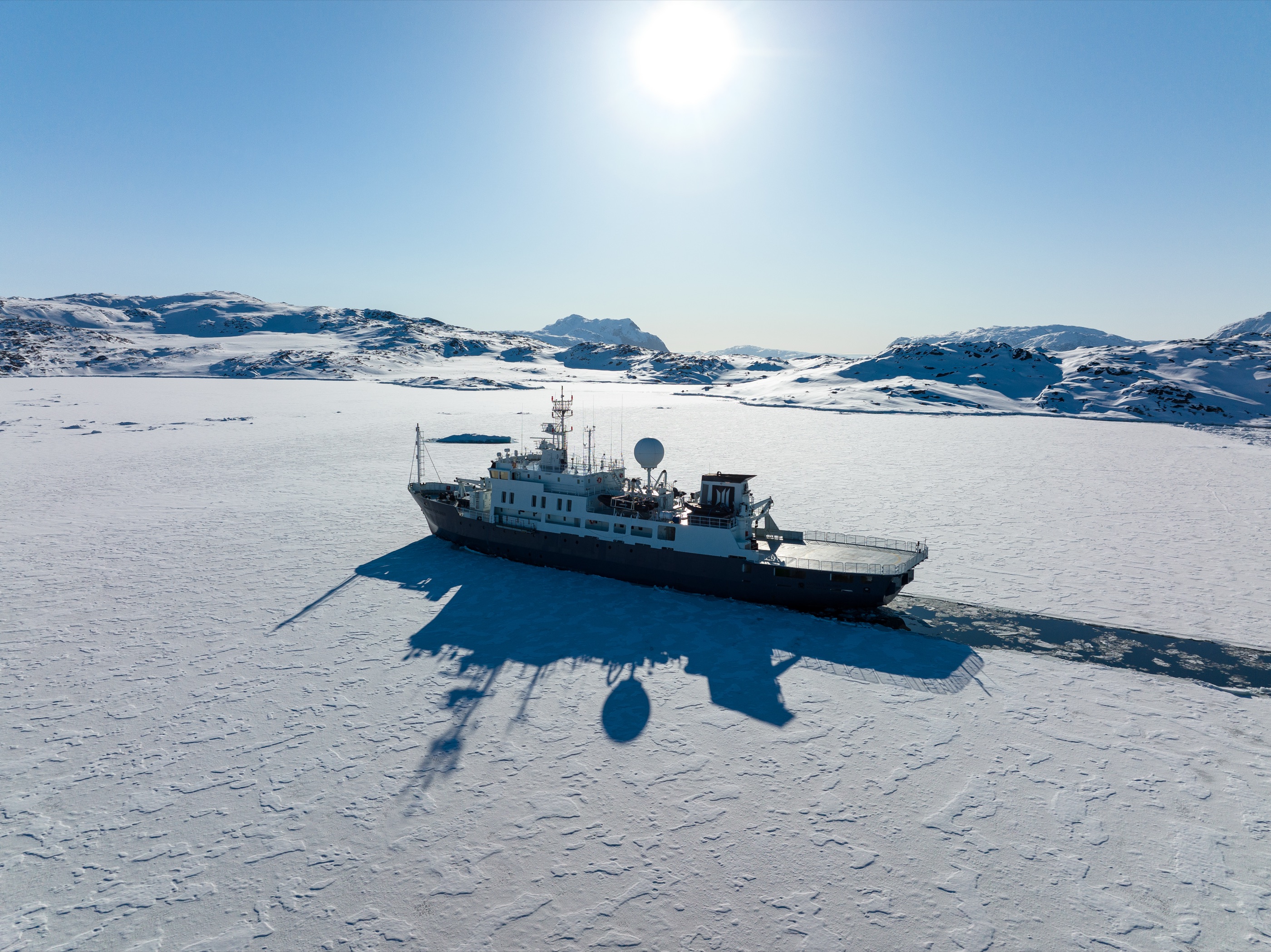
Explorer yacht cutting a channel through brash ice, seen from above
Cutting a channel through the brash. Greenland.
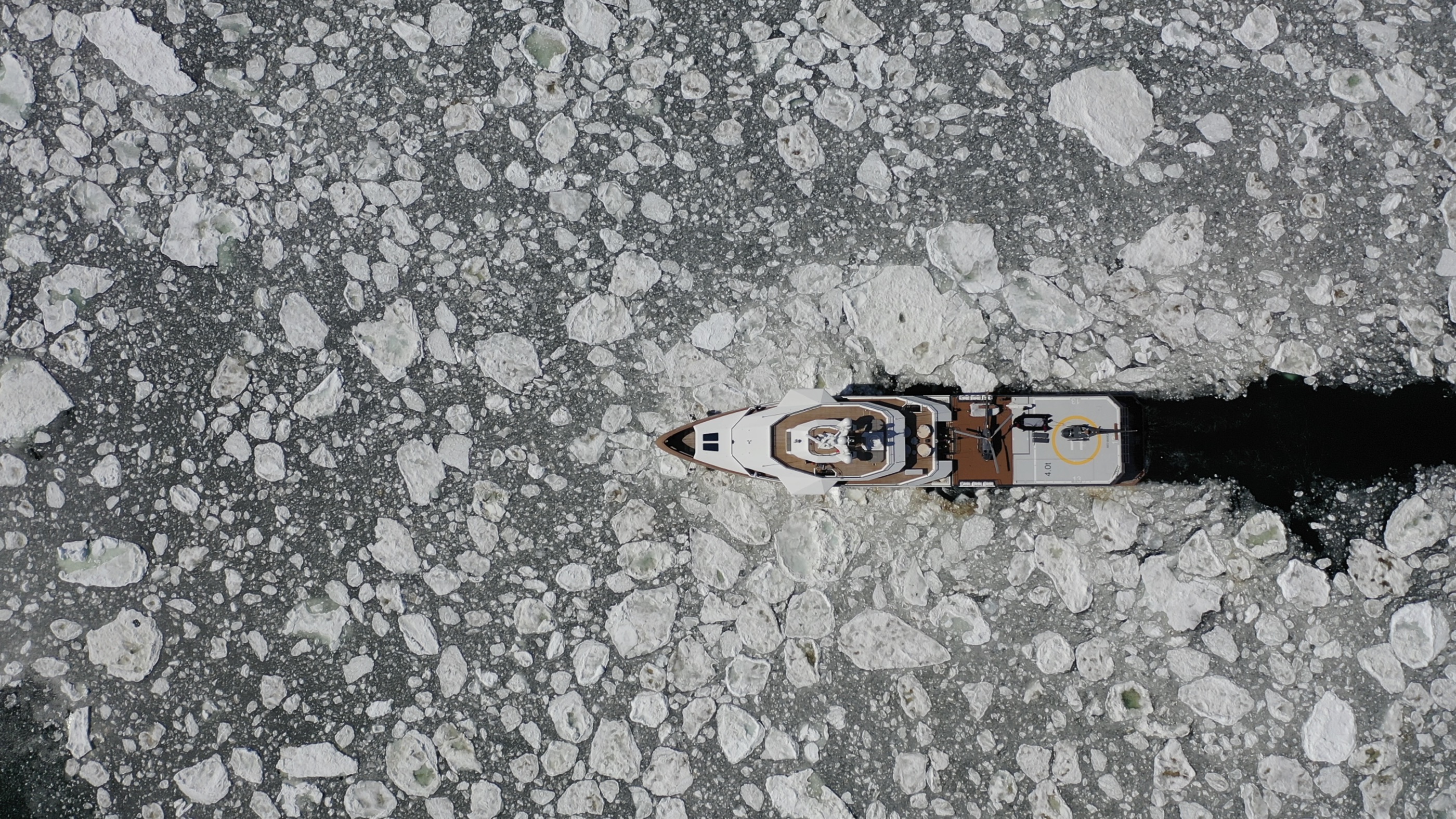
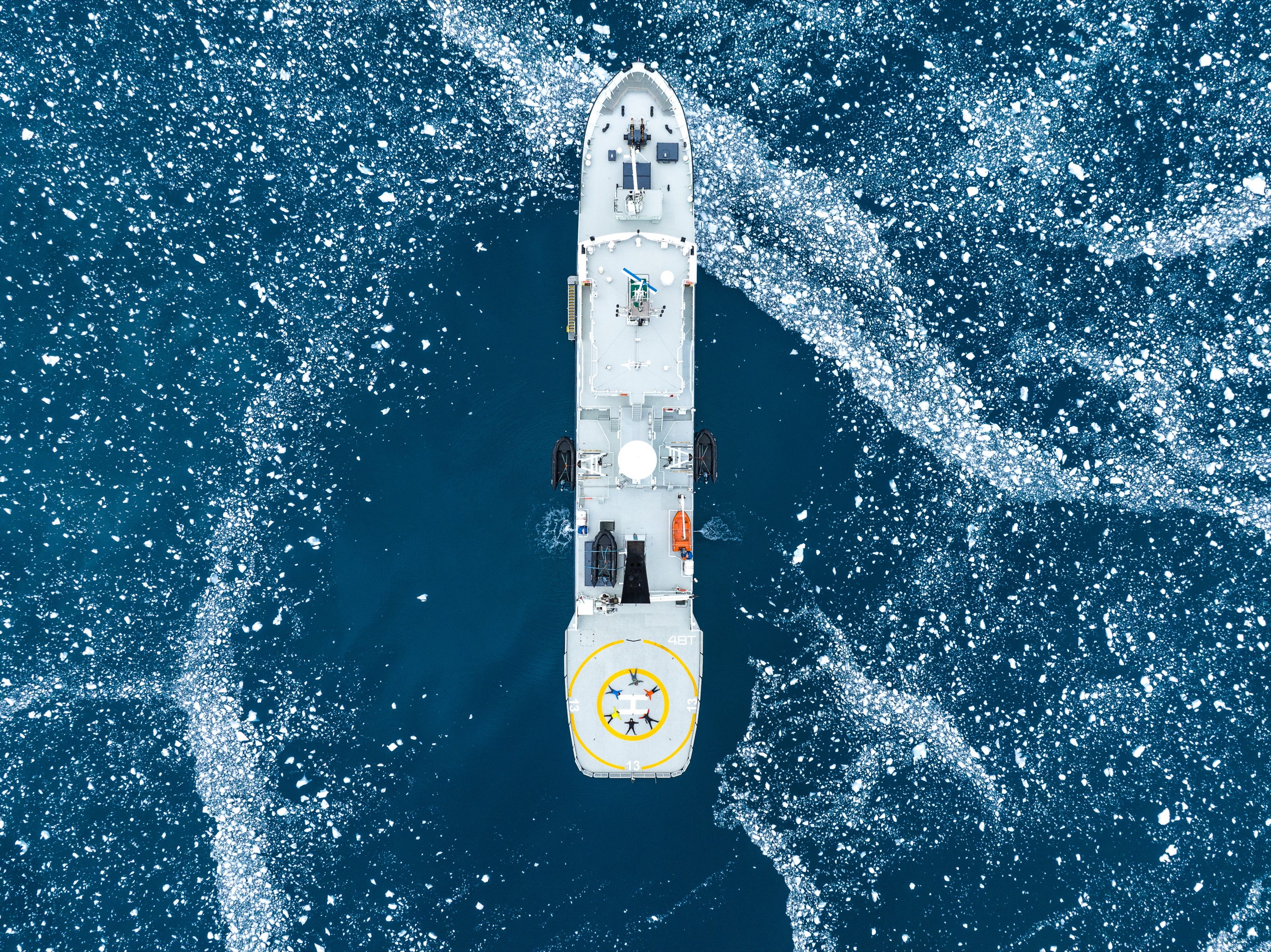
Top-down of an explorer yacht with aft helideck in ice
Aft helideck, ice navigation. M/Y Nansen Explorer.
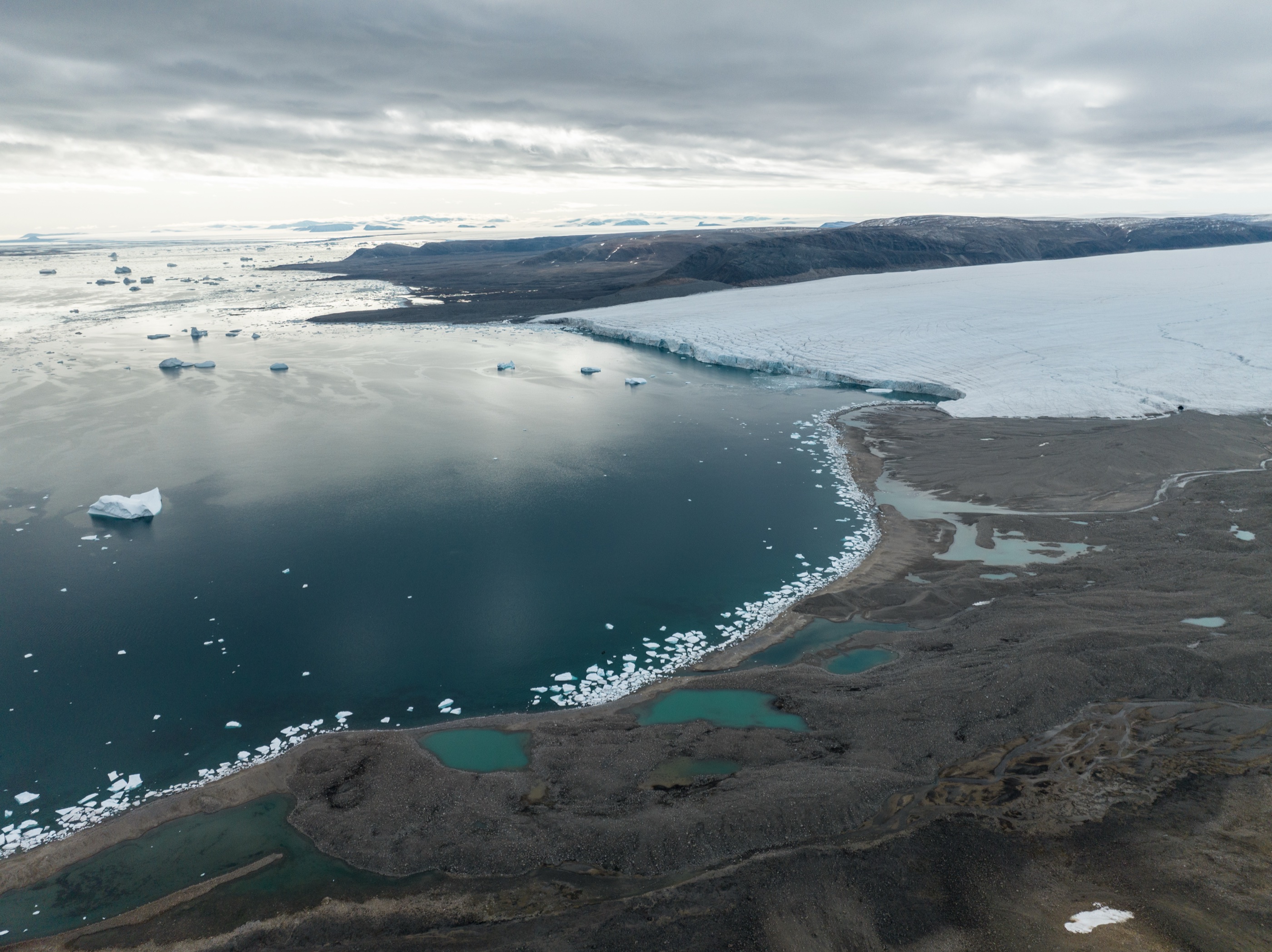
Aerial of Philpots Island coastline with ice and meltwater, Canadian Arctic
Philpots Island, Canadian Arctic.
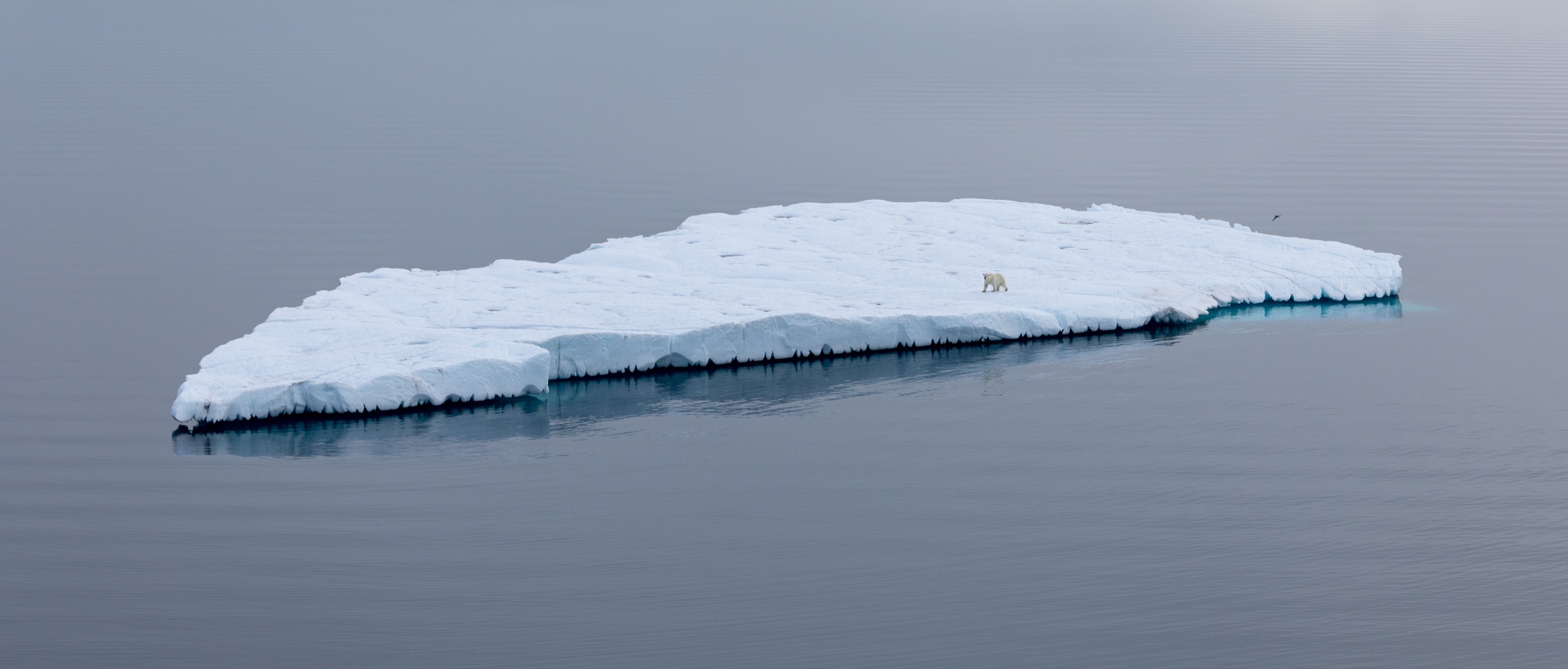
Polar bear on a sea-ice floe, Ellesmere Island
Polar bear on the sea ice. Ellesmere Island.
Section 02

EYOS Inputs on the General Arrangement

Observations from the EYOS expedition team on the current GA, organised by theme. These are operational requirements drawn from running expeditions in the same waters as the example itineraries.

A

Self-Sufficiency

Endurance

A minimum of 40 days for regular itineraries in Northwest Passage, Ross Sea, extended Antarctic Peninsula periods. Ideally, a charter yacht operating in Antarctica would be able to do 60 days without shore support. Note that fresh provision can normally be flown in from the mainland on the charter flights used by guests.

Fuel

Enough fuel (min. 40 days, ideally 60). Sea water temperatures may be as low as −2 degrees Celsius.

Provisions

Food provision possibilities in polar regions are very limited and there can be weeks between possibilities. Ensure amount of provision is not limited by the holding capacity onboard.

Potable water

Water maker redundancy and sufficient holding capacity. Note that production capacity drops to 50% when the water temperature goes below 5 degrees Celsius. Water production is often interrupted due to silted water.

Waste

Consider holding capacity and waste handling systems such as compressor, glass crusher etc. We often see vessels with great fuel range but only garbage holding capacity for 1–2 weeks. Garbage can not be offloaded in Antarctic, and a full charter season could be 60 days.

Food waste

Polar regions have special food waste regulations. Ensure there is enough storage for food waste to be kept onboard for the duration of the trip. Consider food processing systems.

Sewage / grey water

Treatment plant for both BW and GW? Consider holding capacity as well. Certain areas (Norway) have a no discharge regulation, no matter if it is treated or not. There are ongoing discussions regarding a no grey water discharge in polar regions.

Stores for technical spares

'Bring it if you need it' applies to both the Arctic and Antarctica. To get hold of spares in these regions takes time, as all needs to be flown in. All spares considered critical for the expedition should be carried onboard. Consider stores in technical spaces.

B

Ice Capability

Ice class & stabilizers

EYOS recommends minimum ice class 1C (and retractable stabilizers).

Fairing

The ideal explorer yacht with ice class is not limited by its hull fairing, it can come in contact with ice.

Bridge view

The location of the bridge, with a rather high bow obstructing the view, will be challenging when navigating in ice as there will be a large 'blind sector' in front of the vessel.

Bridge wings

When navigating in ice, the bridge officer will use the bridge wings constantly to check for passing ice. Enclosed bridge wings are more comfortable if the vessel is operating long polar seasons.

Ocean crossings

Be capable of managing ocean crossings, such as the famous Drake Passage. Seas of 4 meters+ is common.

Polar equipment

  • Ice lights (2) will be necessary in the mast.
  • The Polar Code requires extra safety equipment (Personal Survival Kits and Group Survival Kits). This requires larger storage space. Personal kits stowed close to muster / embarkation stations; Group kits stowed for rapid retrieval and deployment.
C

Expedition Operations

Zodiac Mark V

EYOS recommends 2× Zodiac Mark V in addition to the yacht's tenders. These can be stacked. Preferably located far astern, so the vessel can give lee during Zodiac launch. The forward tech store will be difficult to launch and retrieve from in challenging conditions. Is there space in the tender garages?

Tender fuel capacity

Most common engine for Mark V is Yamaha petrol outboard engines. A Zodiac heavily in use requires about 25 liters/day. Petrol can be found in most Arctic communities but not in Antarctica.

Tender garage platforms

Consider clearance from waterline to the tender garage, so launching can be done even when weather is more challenging. The platforms will not be used when there is ice around, as there is a high risk that ice might damage them.

Transition area / mudroom

Guests returning from shore or tender cruising tend to be salty, wet and muddy. A designated area to take outer gear on and off is preferred (the 'Spa Lounge' could work):

  • Boot dryers; bench / chairs for wet gear
  • Clothing racks / hooks; shelves for gloves, beanies, walking sticks, cameras
  • Drink station, towels
  • Boot wash station ('Virkon' dip between landings, biosecurity)

Presentation facilities

A large screen in the guest lounge, with seats for all guests, for lectures, presentations or safety briefings.

Observation area

The outdoor area on top deck forward would be the best area for spotting wildlife, but will be very exposed. A glass wind shield would make it more comfortable in polar regions.

Heaters on outer decks

For guest comfort, heaters for dining and lounge areas.

Gangway gates

At various decks, to always be able to get guests on and off, even at locations with extreme tide or odd piers.

Supernumerary cabins

Noted two staff cabins (two bunks each?) on the GA. The EYOS polar team is normally 2 guides and 1 ice pilot. With skiing, ~3 additional ski guides. Helicopter team is 2–4 (one or two helicopters). Also consider local pilots (Norway), entertainers, nanny, security etc.

D

Helicopter

Two-helicopter capacity

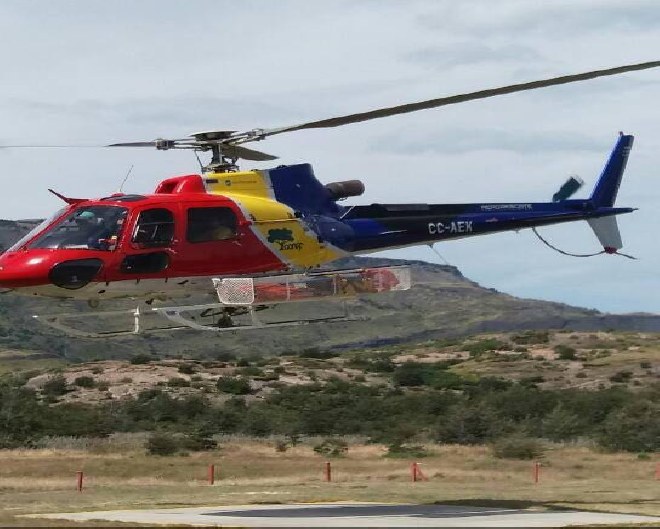
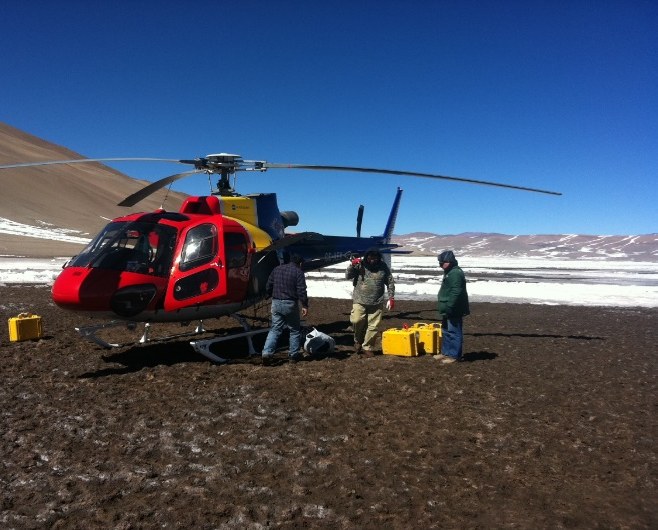
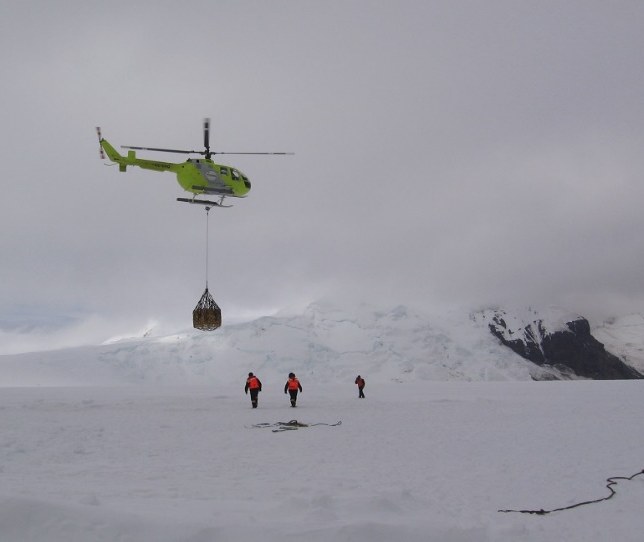
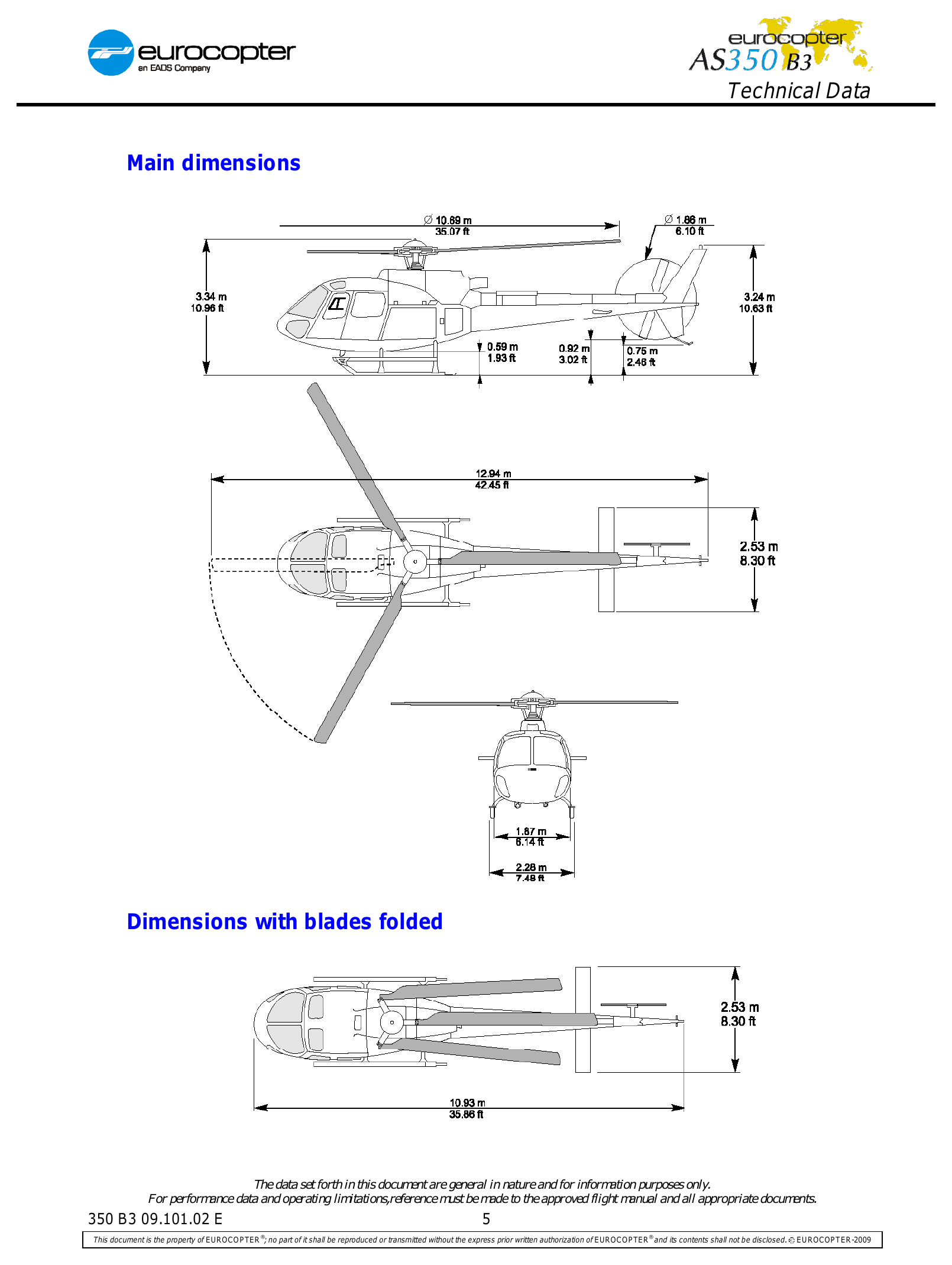
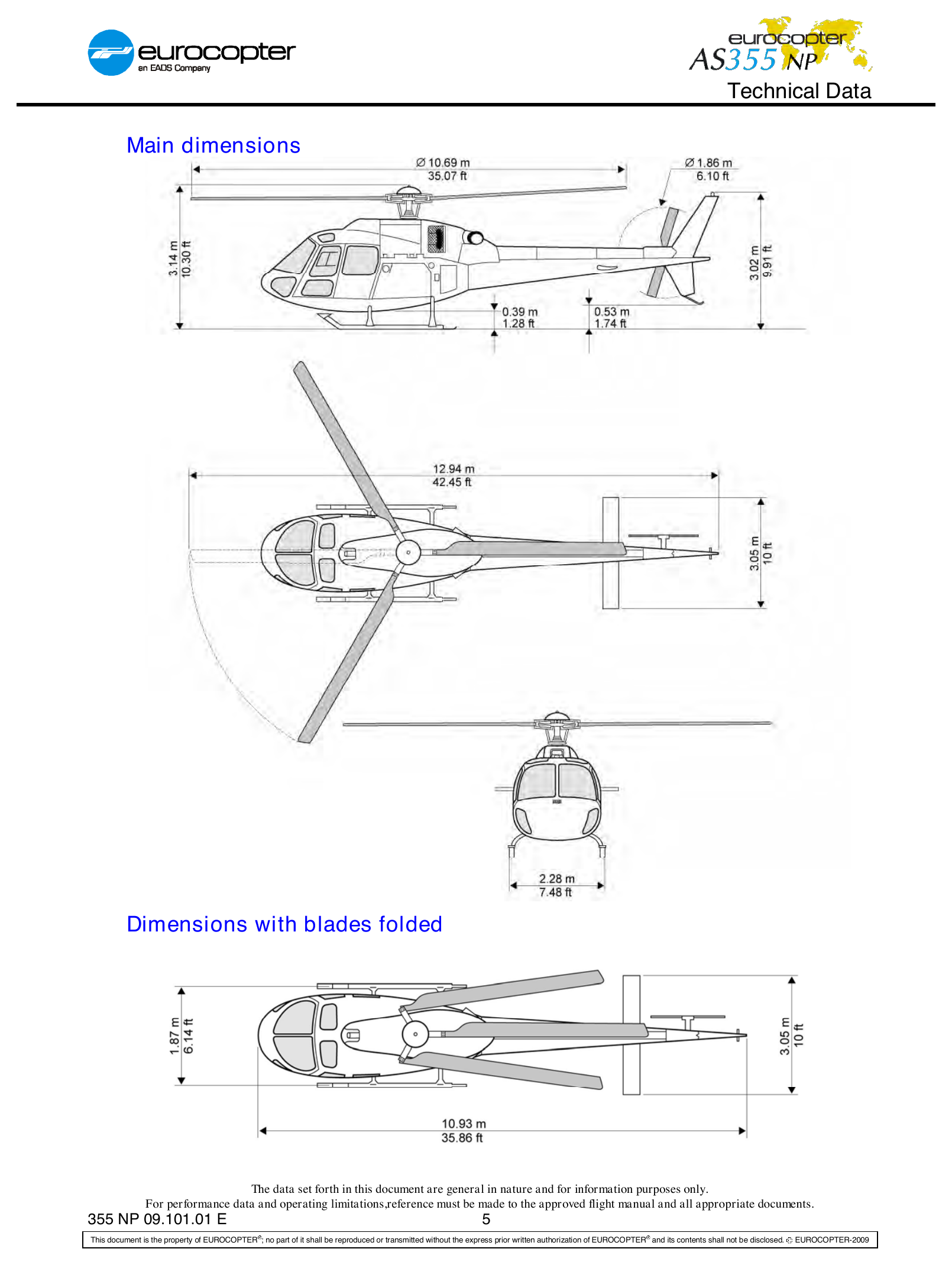
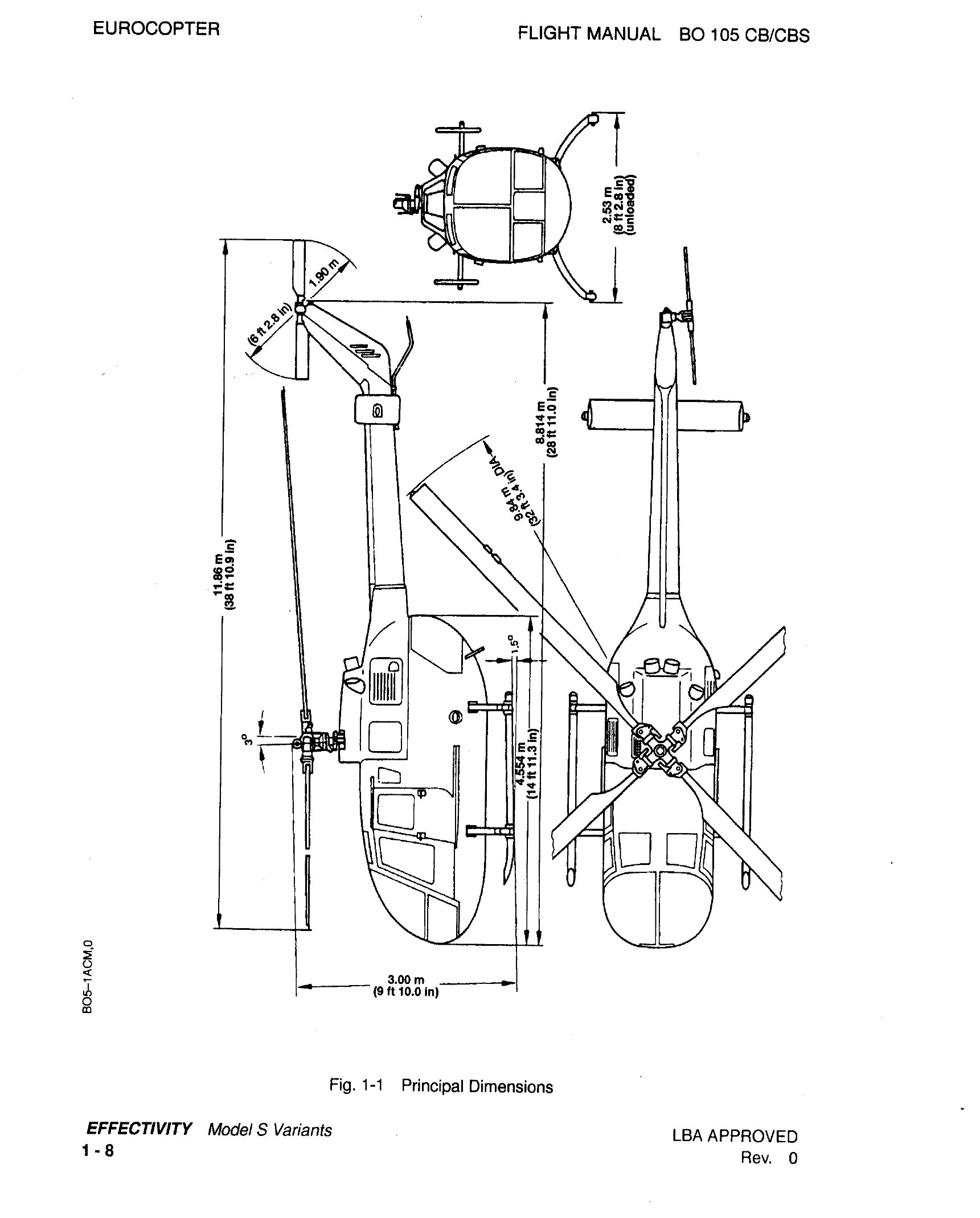
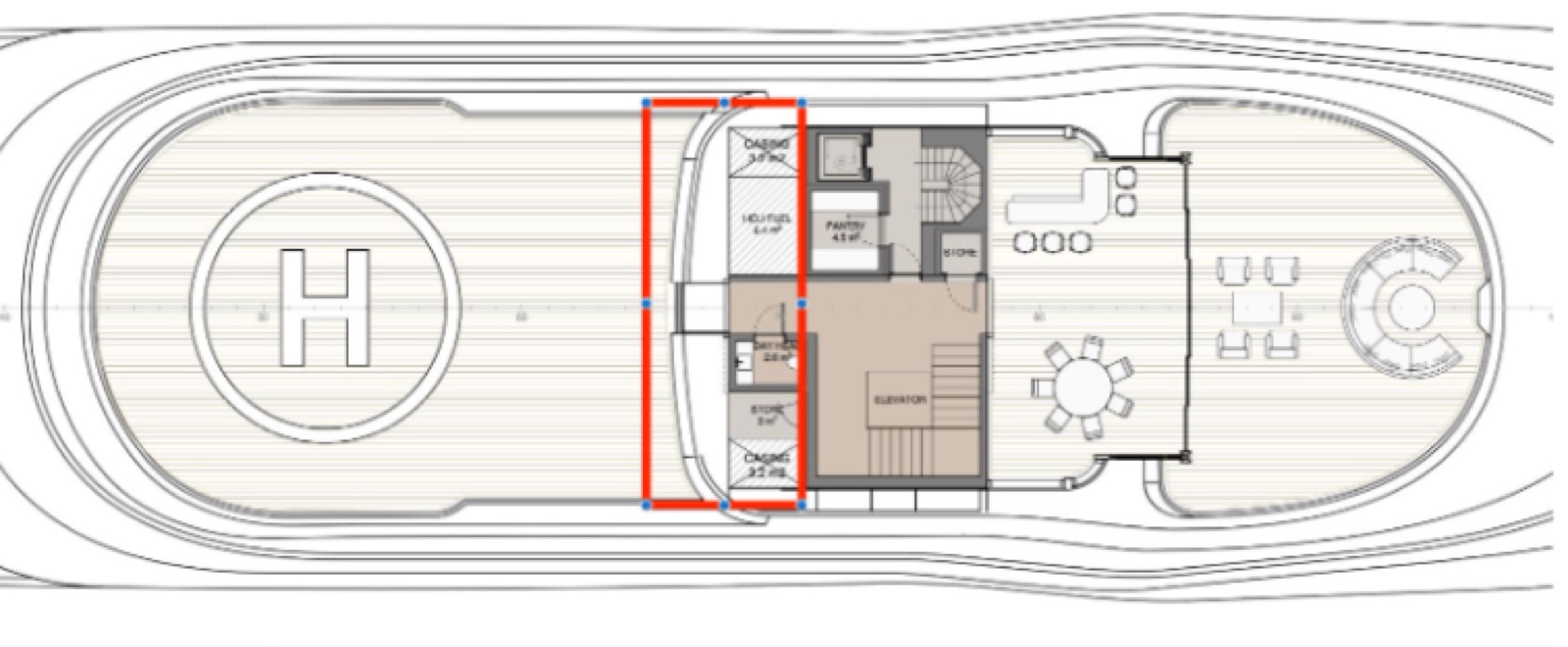
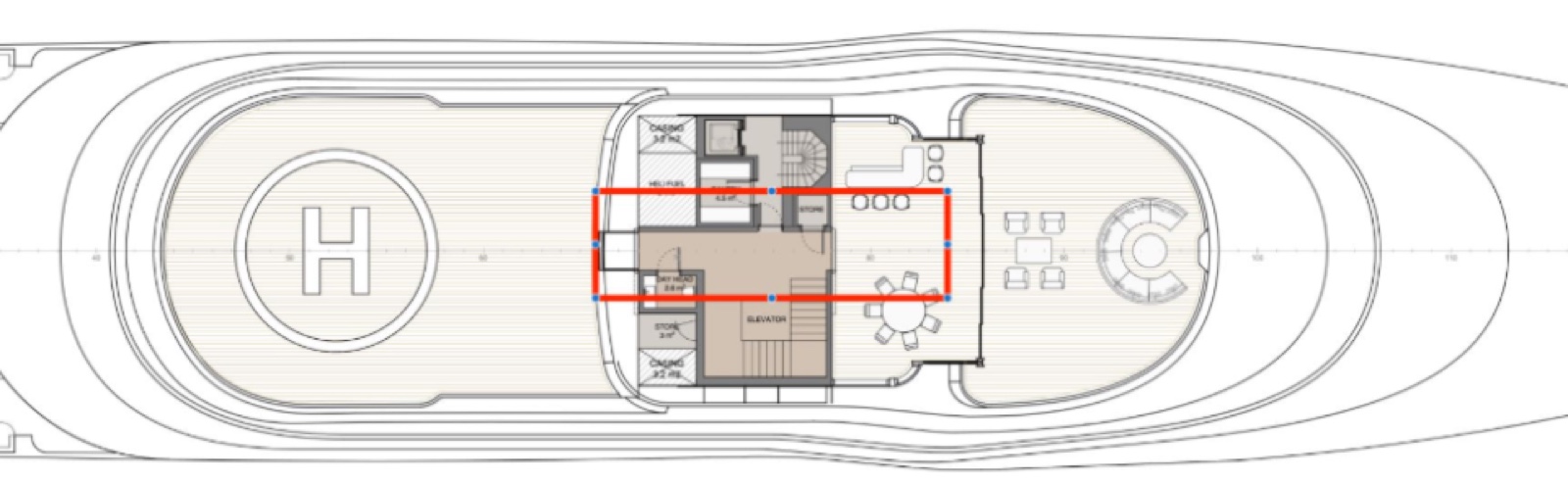
Heli skiing in Antarctica is very popular and there are currently few yachts able to do it without a support vessel. The requirement is to carry two helicopters with two heli teams if the helicopter lands. Does the vessel have the beam for a sideways hangar? If a helicopter is parked there it would block access to the primary helicopter; a 2nd heli on the forward deck would obstruct the bridge view.

GA top deck, sideways hangar / cabin zone marked
Sideways hangar / staff-cabin zone (marked) — top deck
GA top deck, helicopter lounge zone marked
Proposed Helicopter Lounge zone (marked) — top deck

Helicopter Lounge

Suggesting a Helicopter Lounge on top deck, converting this area and making the hangar the centerpiece, with glass walls and the lounge around it. An area where guests get in and out of gear, get the final safety briefing, put lifejackets on. For heli skiing, where they can change ski boots to interior shoes.

Helicopter fuel tank

Located rather high. We often see it low due to stability, and it gets pumped up to the helideck.

Heli firefighting

For take off and landings, a firefighting team from the crew stands by close to the pad. There are no areas for the team to 'hide'; often sidewalks to the accommodation let them roll out hoses. No storage for firefighting equipment, so it would be brought up by crew through the guest accommodation.

Storage at heli deck

A deck storage close to the helicopter deck is convenient. For heli skiing, skis could be kept here between rounds, avoiding equipment being brought up and down during operations.

Owner's outer deck

Guests and crew heading to the heli or observation deck pass through the owner's private area. Shut off the staircase? With heavy helicopter use this could become a high-traffic area. Decks near the pad are cleared of loose items for take off / landing, so crew may access the owner's private deck for every operation. The jacuzzi water may also be at risk during approaches.

Fold-down sides

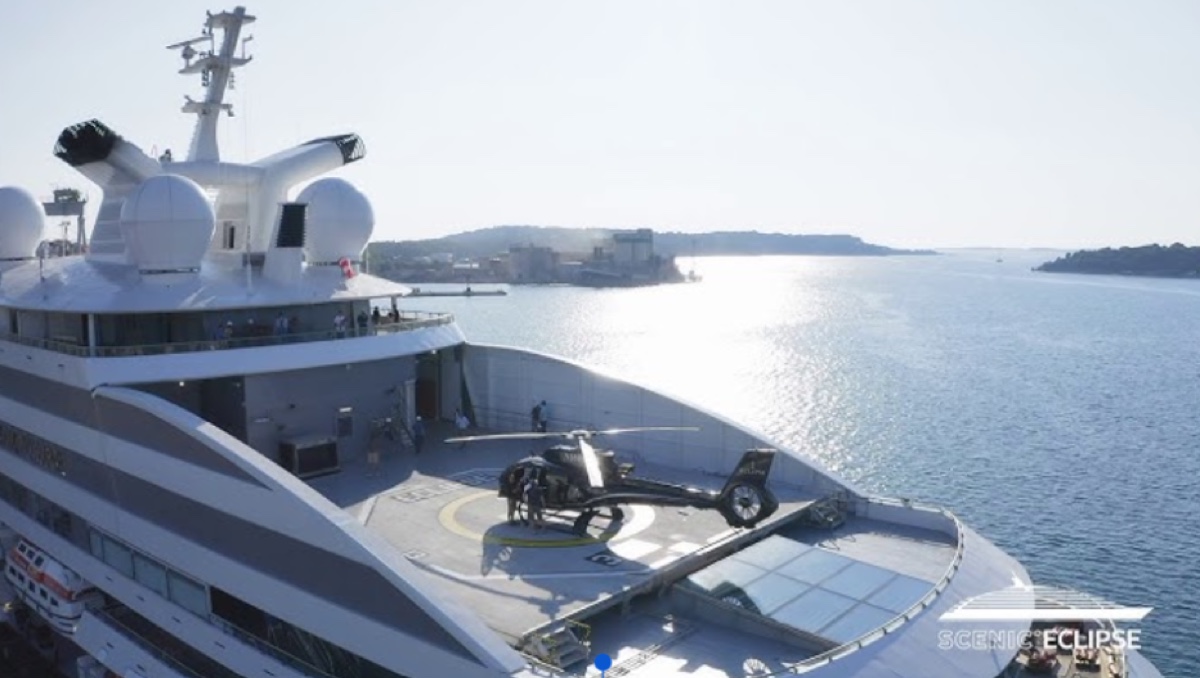
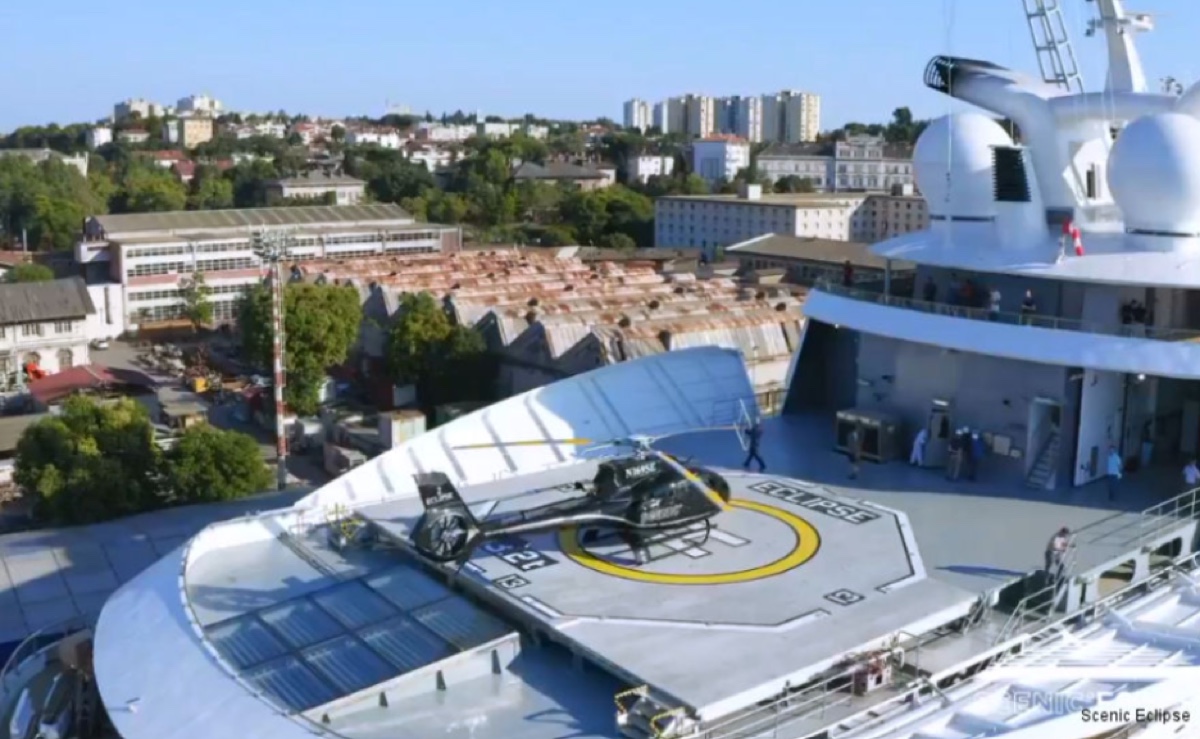
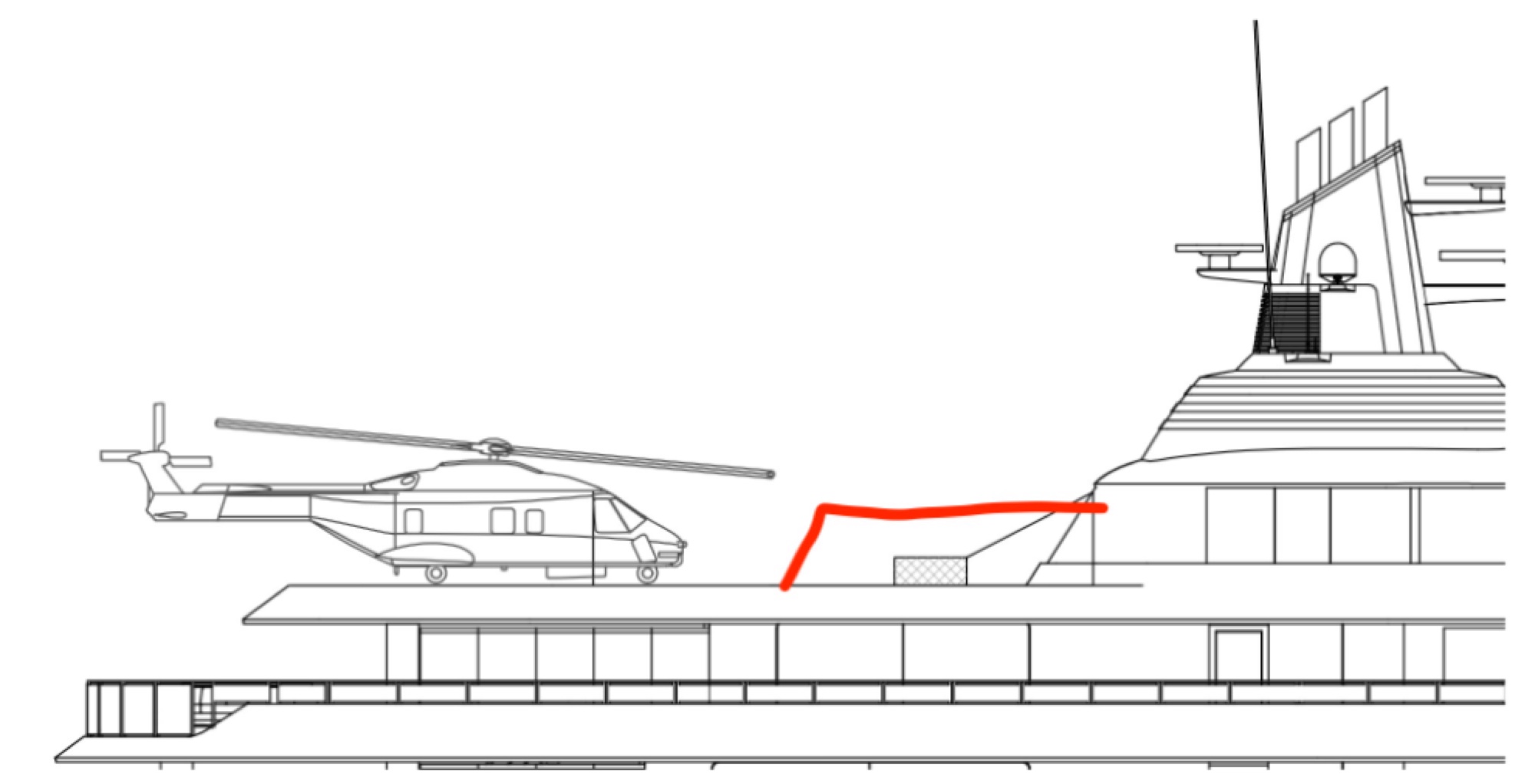
Cruise vessel 'Scenic Eclipse' has fold-down sides to protect the helicopter during sea transits.

Scenic Eclipse, helicopter on deck
Reference: Scenic Eclipse, helicopter on deck
Scenic Eclipse, fold-down side deployed
Reference: Scenic Eclipse, fold-down side deployed
Profile drawing of newbuild with fold-down side sketched
Fold-down side applied to the newbuild profile (sketch)
Section 03

Polar Regulations · Arctic Canada

Access to the Canadian Arctic is governed by the Shipping Safety Control Zones and a Zone / Date / Ship-type system. A vessel's construction standard, expressed as a Transport Canada Type (A–E) mapped from its ice class, determines which of the 16 zones it may enter, and during which dates.

Outside the listed period, a vessel may still navigate a zone only if the ice regime allows it: for vessels built before 2017, the AIRSS ice numeral must be zero or greater; otherwise the POLARIS risk index must indicate normal operation. Polar Class 3–7 vessels facing elevated risk must follow the mitigations in their Polar Waters Operations Manual. An emergency exception applies for saving life or preventing the loss of a ship.

Worked example

A yacht holding Ice Class 1C equals Transport Canada's Type D. A Type D vessel is allowed in Zone 16 between 1 July and 31 October. Outside that window, entry may still be permitted if the POLARIS risk index for that ice regime indicates normal operation. This is not guaranteed; it depends on the ice situation.

In short: the higher the ice class, the more zones the yacht can reach, and the longer the season it can operate. This is the regulatory floor underneath the design recommendations in Section 02.

The 16 Safety Control Zones

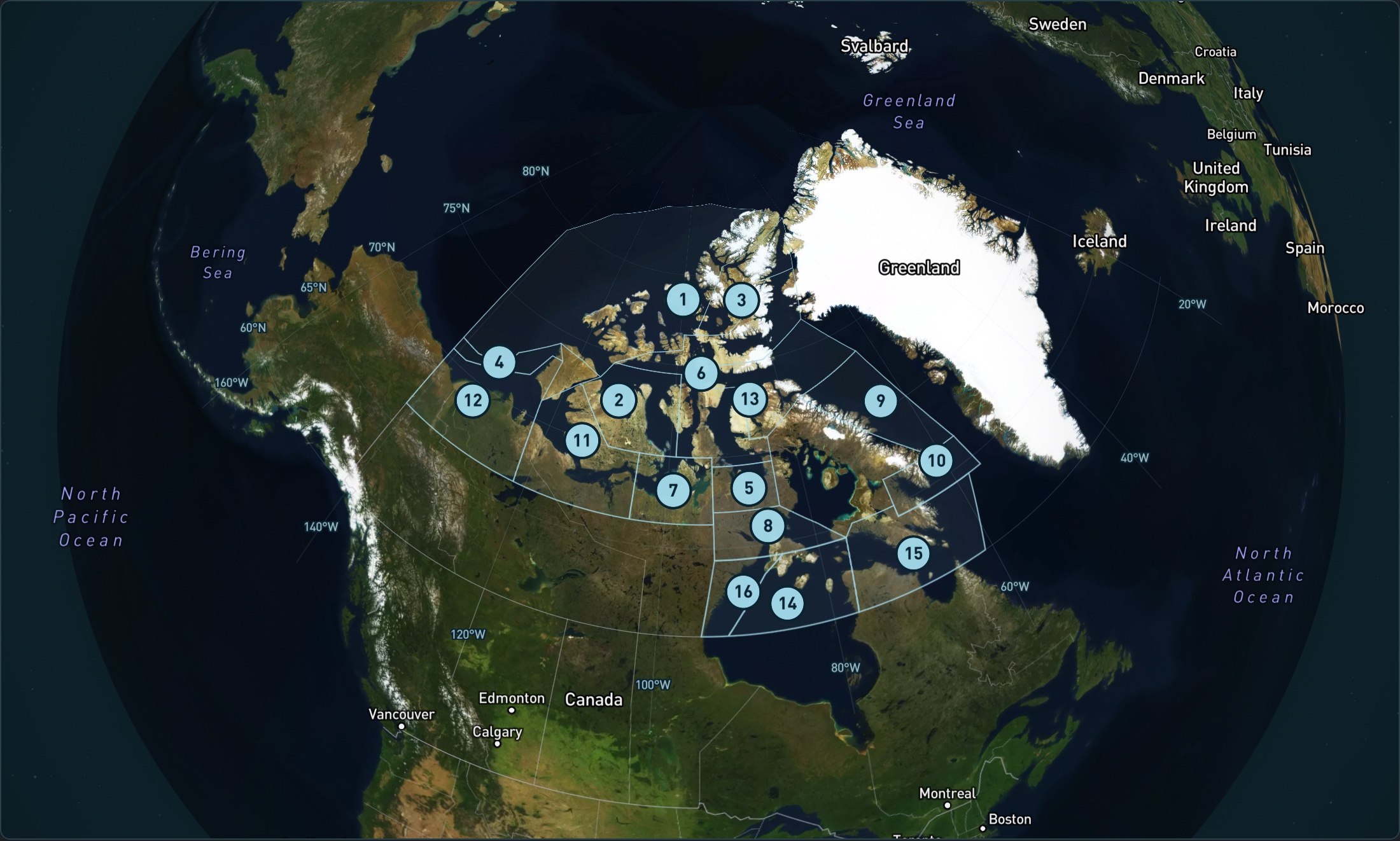
Canada divides its Arctic into sixteen numbered zones. Each zone opens to a given vessel only inside a set window, and the strongest ice classes reach the high zones (1–6); a light ice class is held to the outer, eastern zones in late summer.

Click to explore the zones
Drag to rotate · right-click + drag to tilt in 3D · scroll to zoom
Canada's sixteen Shipping Safety Control Zones on the Arctic globe
Figure 1 — Canada's sixteen Shipping Safety Control Zones, on the Arctic chart. Indicative zone extents; Schedule 1 governs the dates.

Ice Class to Transport Canada Type

A vessel's ice class is translated into a Transport Canada Type, A (strongest) through E. The Type is what Schedule 1 reads to decide zone access. EYOS recommends a minimum of Ice Class 1C for this newbuild, which is Type D.

Type A
Strongest first-year notation. ABS IAA · DNV Ice (1A*) / E4 · LR Ice Class 1AS FS · equivalent to Polar Class PC1–PC7
1A Super
Type B
ABS Ice Class IA · DNV Ice (1A) / E3 · LR Ice Class 1A FS · RINA Ice Class 1A
1A
Type C
ABS Ice Class IB · DNV Ice (1B) / E2 · LR Ice Class 1B FS · RINA Ice Class 1B
1B
Type D
ABS Ice Class IC · DNV Ice (1C) / E1 · LR Ice Class 1C FS · RINA Ice Class 1CEYOS minimum spec
1C
Type E
Below Ice Class 1C, or a vessel with no assigned ice strengthening (see note in the full table).
below 1C

Full cross-society mapping (Figure 2), as published by Transport Canada:

TC TypeABSBVCCSClassNKDNVFinnish–SwedishIACS PCKRLloyd's (LR)PRSRINARussian (RMRS)
Type AIce Class IAAICE CLASS IA SUPERIce Class B1*NS (Class 1A Super Ice Strengthening)Ice (1A*), ICE-1A* or E41A SuperPC1 to PC7IA SuperIce Class 1AS FS (+) or Ice Class 1AS FSL1AICE CLASS 1A SUPERUL or LU5 or Arc5
Type BIce Class IAICE CLASS IAIce Class B1NS (Class 1A Ice Strengthening)Ice (1A) or ICE-1A or E31A1AIce Class 1A FS (+) or Ice Class 1A FSL1ICE CLASS 1AL1 or LU4 or Arc4
Type CIce Class IBICE CLASS IBIce Class B2NS (Class 1B Ice Strengthening)Ice (1B) or ICE-1B or E21B1BIce Class 1B FS (+) or Ice Class 1B FSL2ICE CLASS 1BL2 or LU3 or Ice 3
Type DIce Class ICICE CLASS ICIce Class B3NS (Class 1C Ice Strengthening)Ice (1C) or ICE-1C or E11C1CIce Class 1C FS (+) or Ice Class 1C FSL3ICE CLASS 1CL3 or LU2 or Ice 2
Type EBelow Ice Class IC1DIce Class BNS (Class 1D Ice Strengthening)ICE-C or ECategory II1DIce Class 1D or Ice Class 1EL41DL4 or LU1 or Ice 1

Type E includes the identified ice class and any class below it, as well as vessels with no assigned ice strengthening.  ·  Scroll table sideways for all societies.

Zone, Date and Type: Schedule 1

Schedule 1 is the master table: for each Type, the exact dates each of the sixteen zones is open. A Type D (Ice Class 1C) hull is shut out of the high Arctic zones entirely and reaches the eastern zones only in a short late-summer window, the constraint the worked example above describes.

CategoryZone 1Zone 2Zone 3Zone 4Zone 5Zone 6Zone 7Zone 8Zone 9Zone 10Zone 11Zone 12Zone 13Zone 14Zone 15Zone 16
1Arctic Class 10, CAC 1All yearAll yearAll yearAll yearAll yearAll yearAll yearAll yearAll yearAll yearAll yearAll yearAll yearAll yearAll yearAll year
2Arctic Class 8, CAC 2Jul. 1 to Oct. 15All yearAll yearAll yearAll yearAll yearAll yearAll yearAll yearAll yearAll yearAll yearAll yearAll yearAll yearAll year
3Arctic Class 7Aug. 1 to Sept. 30Aug. 1 to Nov. 30Jul. 1 to Dec. 31Jul. 1 to Dec. 15Jul. 1 to Dec. 15All yearAll yearAll yearAll yearAll yearAll yearAll yearAll yearAll yearAll yearAll year
4Arctic Class 6, CAC 3Aug. 15 to Sept. 15Aug. 1 to Oct. 31Jul. 15 to Nov. 30Jul. 15 to Nov. 30Aug. 1 to Oct. 15Jul. 15 to Feb. 28Jul. 1 to Mar. 31Jul. 1 to Mar. 31All yearAll yearJul. 1 to Mar. 31All yearAll yearAll yearAll yearAll year
5Arctic Class 4Aug. 15 to Sept. 15Aug. 15 to Oct. 15Jul. 15 to Oct. 31Jul. 15 to Nov. 15Aug. 15 to Sept. 30Jul. 20 to Dec. 31Jul. 15 to Jan. 15Jul. 15 to Jan. 15Jul. 10 to Mar. 31Jul. 10 to Feb. 28Jul. 5 to Jan. 15June 1 to Jan. 31June 1 to Feb. 15June 15 to Feb. 15June 15 to Mar. 15June 1 to Feb. 15
6Arctic Class 3, CAC 4Aug. 20 to Sept. 15Aug. 20 to Sept. 30Jul. 25 to Oct. 15Jul. 20 to Nov. 5Aug. 20 to Sept. 25Aug. 1 to Nov. 30Jul. 20 to Dec. 15Jul. 20 to Dec. 31Jul. 20 to Jan. 20Jul. 15 to Jan. 25Jul. 5 to Dec. 15June 10 to Dec. 31June 10 to Dec. 31June 20 to Jan. 10June 20 to Jan. 31June 5 to Jan. 10
7Arctic Class 2No EntryNo EntryAug. 15 to Sept. 30Aug. 1 to Oct. 31No EntryAug. 15 to Nov. 20Aug. 1 to Nov. 20Aug. 1 to Nov. 30Aug. 1 to Dec. 20Jul. 25 to Dec. 20Jul. 10 to Nov. 20June 15 to Dec. 5June 25 to Nov. 22June 25 to Dec. 10June 25 to Dec. 20June 10 to Dec. 10
8Arctic Class 1ANo EntryNo EntryAug. 20 to Sept. 15Aug. 20 to Sept. 30No EntryAug. 25 to Oct. 31Aug. 10 to Nov. 5Aug. 10 to Nov. 20Aug. 10 to Dec. 10Aug. 1 to Dec. 10Jul. 15 to Nov. 10Jul. 1 to Nov. 10Jul. 15 to Oct. 31Jul. 1 to Nov. 30Jul. 1 to Dec. 10June 20 to Nov. 30
9Arctic Class 1No EntryNo EntryNo EntryNo EntryNo EntryAug. 25 to Sept. 30Aug. 10 to Oct. 15Aug. 10 to Oct. 31Aug. 10 to Oct. 31Aug. 1 to Oct. 3115 juil. au 20 oct.Jul. 1 to Oct. 31Jul. 15 to Oct. 15Jul. 1 to Nov. 30Jul. 1 to Nov. 30June 20 to Nov. 15
10Type ANo EntryNo EntryAug. 20 to Sept. 10Aug. 20 to Sept. 20No EntryAug. 15 to Oct. 15Aug. 1 to Oct. 25Aug. 1 to Nov. 10Aug. 1 to Nov. 20Jul. 25 to Nov. 20Jul. 10 to Oct. 31June 15 to Nov. 10June 25 to Oct. 22June 25 to Nov. 30June 25 to Dec. 5June 20 to Nov. 20
11Type BNo EntryNo EntryAug. 20 to Sept. 5Aug. 20 to Sept. 15No EntryAug. 25 to Sept. 30Aug. 10 to Oct. 15Aug. 10 to Oct. 31Aug. 10 to Oct. 31Aug. 1 to Oct. 31Jul. 15 to Oct. 20Jul. 1 to Oct. 25Jul. 15 to Oct. 15Jul. 1 to Nov. 30Jul. 1 to Nov. 30June 20 to Nov. 10
12Type CNo EntryNo EntryNo EntryNo EntryNo EntryAug. 25 to Sept. 25Aug. 10 to Oct. 10Aug. 10 to Oct. 25Aug. 10 to Oct. 25Aug. 1 to Oct. 25Jul. 15 to Oct. 15Jul. 1 to Oct. 25Jul. 15 to Oct. 10Jul. 1 to Nov. 25Jul. 1 to Nov. 25June 25 to Nov. 10
13Type DNo EntryNo EntryNo EntryNo EntryNo EntryNo EntryAug. 10 to Oct. 5Aug. 15 to Oct. 20Aug. 15 to Oct. 20Aug. 5 to Oct. 20Jul. 15 to Oct. 10Jul. 1 to Oct. 20Jul. 30 to Sept. 30Jul. 10 to Nov. 10Jul. 5 to Nov. 10Jul. 1 to Oct. 31
14Type ENo EntryNo EntryNo EntryNo EntryNo EntryNo EntryAug. 10 to Sept. 30Aug. 20 to Oct. 20Aug. 20 to Oct. 15Aug. 10 to Oct. 20Jul. 15 to Sept. 30Jul. 1 to Oct. 20Aug. 15 to Sept. 20Jul. 20 to Oct. 31Jul. 20 to Nov. 5Jul. 1 to Oct. 31

Each cell is the permitted navigation period for that Type in that zone. Scroll the table sideways for all sixteen zones. Source: Transport Canada, Schedule 1.

Source: Ice Navigation in Canadian Waters, Transport Canada. canada.ca

Inputs for a Newbuild

Built for Ice, Endurance,
and Two Helicopters

Itinerary examples, design observations on the general arrangement, and the polar regulations that govern access. One document, one purpose: a yacht built to operate where the ice begins.

Prepared by
EYOS Expeditions
eyos.com
For
Feadship
Newbuild Explorer Concept
Contact
Fia Wistrand
fia@eyos.com
↓  Download PDF